
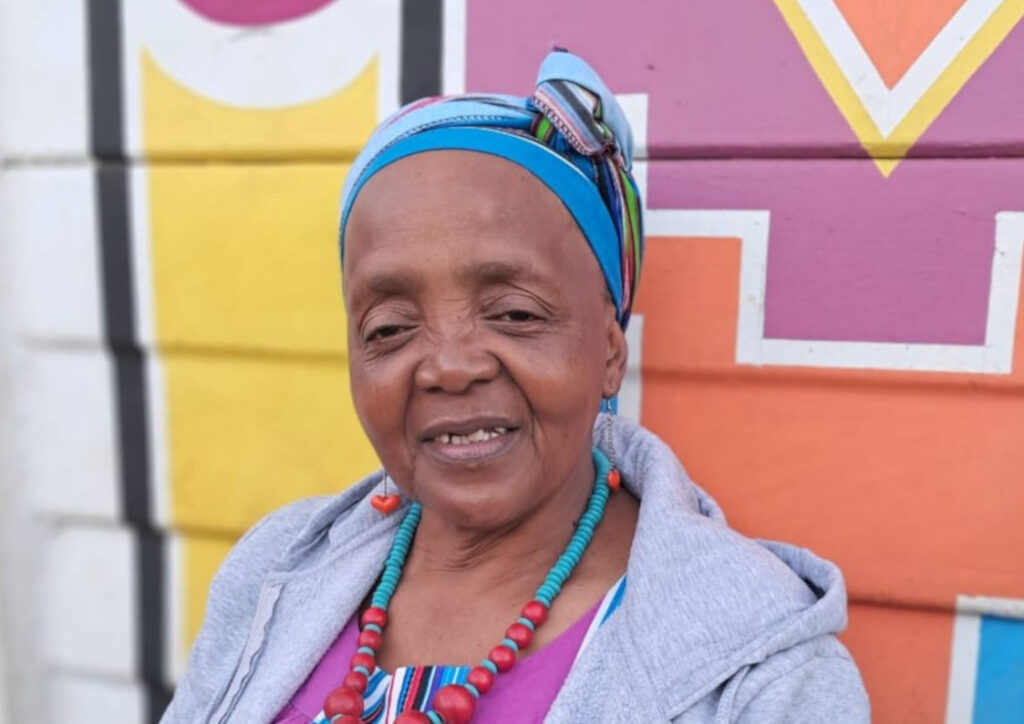
Carol Dyanti: Growing Hope Through Community Development South Africa
This episode of This Way Up features Carol Dyanti, founder of Uzima, an organisation working in Ezimbuzini, an informal settlement on the edge of Soweto.
Carol describes how she was introduced to the community and built trust with the indunas (leaders) and residents after being called in following the death of a teenager’s newborn and the murder of a young woman. With the community’s help and cooperation, she turned a former dumping ground into a centre for children and women.
Carol shares stories of individual children she’s supported — from a Mozambican refugee helping other migrant girls settle in, to a young woman who became the community’s pride after winning a university scholarship. She also speaks candidly about teenage pregnancy, gender-based violence, and the particular vulnerability of migrant and foreign-national women and children.
The conversation also touches on Carol’s own history: her participation in the 1976 Soweto uprising, her exile, and the loss of her brother. She reflects on post-apartheid South Africa and where she draws the strength to continue when everything seems so dire. She closes with a call for volunteers, donations, and support for Uzima.
Listen to the Conversation
Also available on Apple Podcasts • Spotify
Behind the Conversation
Someone Has to Stand Up
by Babette Gallard
Carol works in a place where the problems can seem overwhelming. But what stayed with me wasn’t the vast scale of what’s wrong, but the extraordinary significance of very small things: a teacher learning a child’s real name. A six-year-old telling another frightened child, “It’s safe here.” People finding R10 or R20 to help a young woman get to university. Then the women of the community singing as they send her on her way.
Carol described it as “singing her into her future.” I loved that.
When I asked Carol where she finds the strength to continue, her answer was equally simple: “Someone has to stand up to this.”
She’s been standing up to it since she was a schoolgirl in Soweto in 1976. But what I found most moving is that, nearly fifty years later, she still believes change can begin with one person, one place, and sometimes with just one child.