We Are Who We’ve Been Waiting For: Nomsa Mazwai and Community Development South Africa
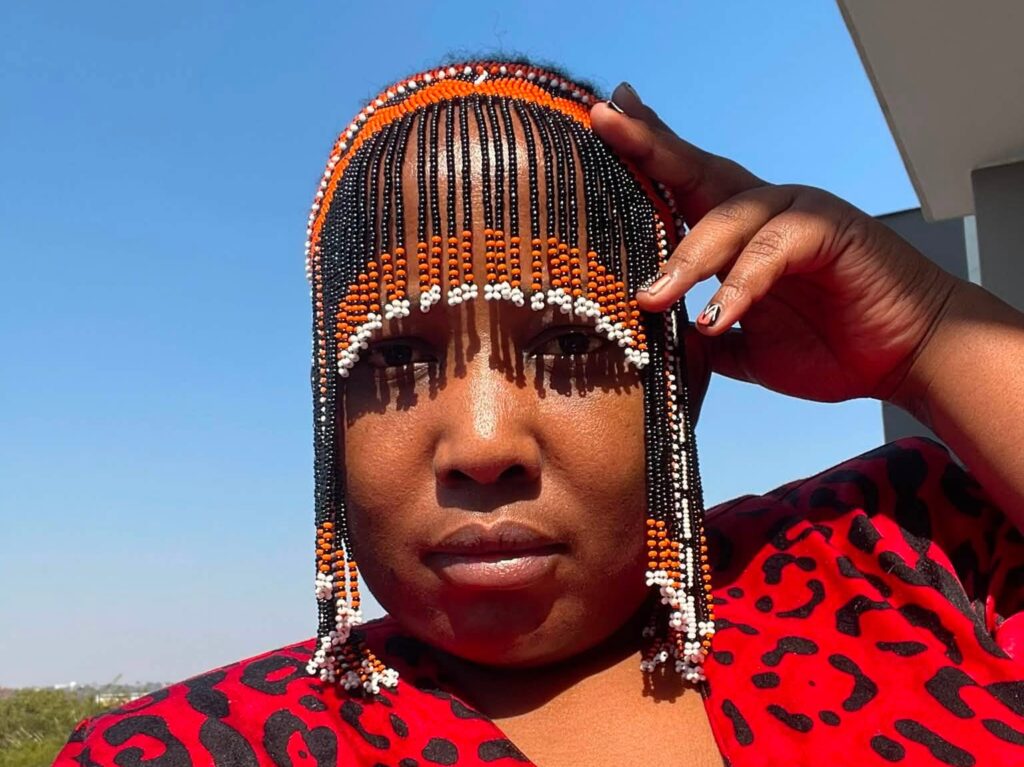
Nomsa Mazwai’s interview was a new experience because she is so many amazing people wrapped in one flamboyantly energetic body. She’s a Fulbright-scholar economist, a musician and singer, and an entrepreneur.
In our conversation she talks about Soweto Night Out, a business created through her think tank Funkatam Walking, which is entirely focused on women’s safety. Through this, she organizes night tours through Soweto, employing a community choir, tour guides, and local Community Policing Forum members while boosting restaurants and museums. She also discusses the difficulty entrepreneurs face accessing formalised tourism markets, and her ambitions to expand, including an “Uber for walking” safety app and a recycling venture for used nappies and sanitary pads.
Nomsa speaks candidly about her childhood in Soweto, the early loss of her mother, and experiences of abuse, and how these shaped her drive to serve others. Despite years of education culminating in a Fulbright master’s, she describes six years of unemployment that pushed her to the brink of suicide. She credits her sister and a stay in rehab with leading her back to faith, which she says now anchors her daily life and creative work, including the release of a new album.
Nomsa closes with a call to action for everyone: “We are who we have been waiting for.”
Listen to the Conversation
Also available on Apple Podcasts • Spotify
Behind the Conversation
by Babette Gallard
The Woman Who Keeps Making Things Happen
I first noticed Nomsa Mazwai across a table at a community clean-up meeting. There were plenty of people talking, but Nomsa had the ability to cut through the noise and bring everyone back to what actually needed doing. She also had blue hair and looked extraordinary. I remember thinking: I want to know that woman.
Nomsa speaks candidly about unemployment, financial pressure and a severe period of personal despair, and about the faith and support that helped her rebuild. What struck me was that she didn’t emerge claiming everything had magically become easy. Instead she began concentrating on things where effort could actually produce something tangible: the businesses she could build, the communities she could work with, and the music she could make. She has a phrase for that: “We do things that bear fruit.”
And perhaps that is why her final words feel less like an inspirational slogan than a description of the way she lives: “We are who we have been waiting for. Don’t leave it to anybody else. You are the thing that you’re waiting for. So get up and do something.”
Watch Nomsa in action